Henry A. Parks


Research and Professional Interests
Ungulate Community and Population Ecology
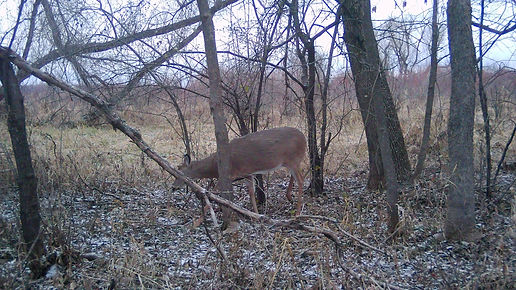
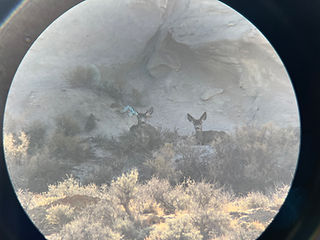
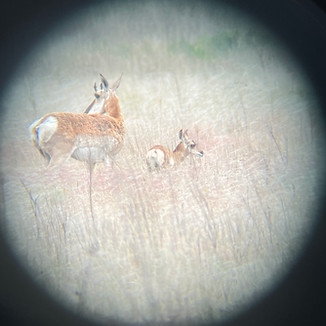
Ungulates are an incredible group of animals that tend to characterize the landscapes in which they live. I am fascinated by the relationship between ungulates, their environments, their fellow ungulate neighbors, predators, and people. Having worked in numerous locations in the US, I have had the great privilege to study ungulates in a wide array of environments, including working landscapes, rangeland, suburban forested, and high desert. I look forward to expanding my experience in the coming years.
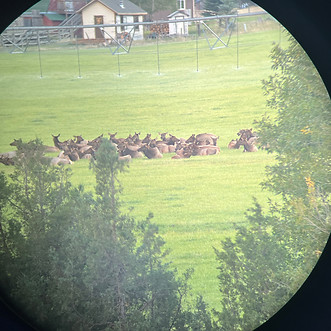
I am particularly interested in developing a stronger understanding of the relationships between ungulates in a shared landscape. Additionally, I am interested in how human and predator dynamics influence these relationships. Though my interests are broad, I am generally interested in a mixed-method approach with a blend of strong field and quantitative approaches. Beyond community dynamics, I also believe that there is tremendous value in population-level metrics like vital rates and movement parameters for guiding responsible conservation and management.
A budding interest I have is exploring ungulate population/community dynamics in unusual or atypical landscapes (i.e., working landscapes, edge of range, etc.). I believe that the strongest science has applicability outside of model systems and considers the reality of our landscapes.




Quantitative Methods for Animal Movement and Population Demography
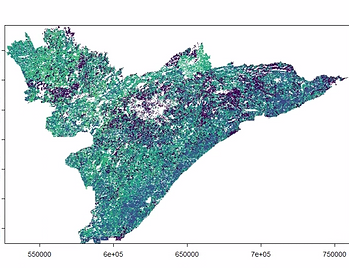
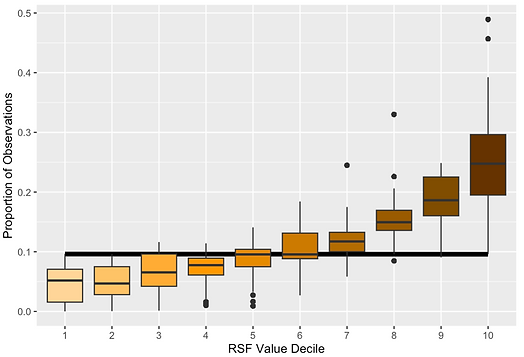
I am interested in the application of complex (or simple!) quantitative tools to wildlife ecology research. In particular, I am interested in pursuing additional study in areas related to Bayesian approaches, complex movement models, simulation, and more. As statistics become more and more integral to wildlife science, I anticipate the value of staying up to date on the latest information. Additionally, I find tremendous value in the creation and sharing of maps as management/conservation tools, as well as their artistic value!
I am striving for projects and positions that incorporate a strong quantitative component to complement any field research. To the left, I have some very simple work featured from my existing work as an example of how I create figures/maps!
Multi-methodological Approaches for Research
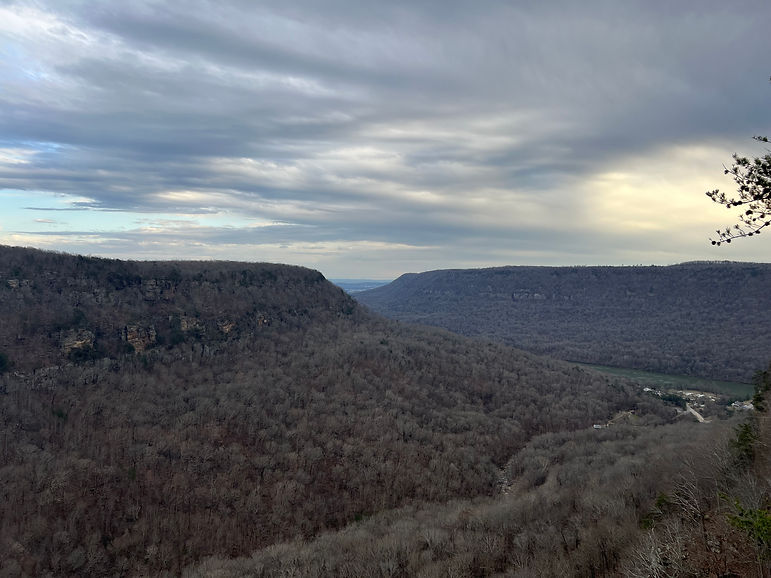
In my experience, long-term ecological studies that collect diverse datasets are the most comprehensive and informative. For example, a dataset of collared animals can be bolstered with a strong grid, survey, and observational efforts etc. I believe that collecting as much data as possible when funds, timelines, and staff are available is critical to developing strong datasets that can be used for management/conservation.
I am interested in applying this philosophy to any future research studies I am involved with or lead the charge on. In particular, I enjoy collecting data that be cross-referenced with other data or combined in interesting ways with other data to develop unique insights.